
Paver Maintenance 101: How to Keep Your Charleston Patio Looking Brand New for Decades
A professionally installed paver patio is one of the most durable outdoor surfaces you can have — but "durable" doesn't mean "maintenance-free." The Lowcountry's humidity, UV intensity, pollen, and occasional severe weather mean your pavers need a little attention to stay looking their best. The good news: the maintenance routine is simple, inexpensive, and something most homeowners can handle themselves between professional service visits.
Here's everything you need to know to protect your investment, whether your patio was installed by No Pressure Contracting or someone else.
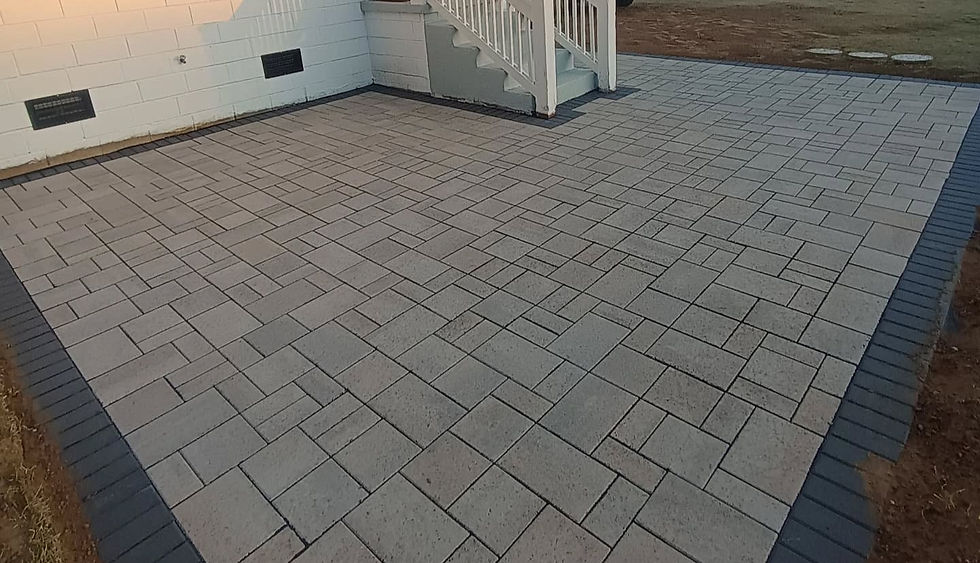
Step 1: Regular Cleaning
The most basic maintenance task is also the most impactful: keep your pavers clean. In Charleston, pollen season hits hard in spring and mold/mildew can develop in shaded areas year-round thanks to the humidity. A simple rinse with a garden hose handles light buildup. For deeper cleaning, a gentle pressure wash (under 1,200 PSI with a wide fan tip) removes organic staining without damaging the paver surface or disturbing joint sand.
Avoid using harsh chemical cleaners unless they're specifically formulated for pavers — bleach and acid-based cleaners can strip sealers and damage paver color over time.
Step 2: Weed Control
Even with polymeric joint sand — which significantly reduces weed growth — occasional weeds can sprout in paver joints, especially in older installations where the sand has washed out. Pull them early before roots establish. For recurring problems, a paver-safe herbicide applied carefully into the joints (not on the paver surface) can provide longer-term control.
If you're seeing widespread weed growth, it's often a sign that your joint sand needs to be refreshed — something our team handles as part of our paver repair and maintenance service.
Step 3: Re-Sanding Joints
Over time, joint sand washes out from rain and traffic. When you start to see gaps between pavers or weed pressure increasing, it's time to re-sand. Sweep polymeric sand across the surface, work it into the joints with a push broom, blow off the excess, and activate with water according to the manufacturer's instructions. This is a DIY-friendly task for small areas — for large patios or driveways, a professional application ensures even coverage and proper activation.
Step 4: Sealing — The Most Important Step
Sealing is the single most impactful thing you can do to extend the life and appearance of your pavers. A quality paver sealer does several things:
Locks in color — preventing UV fading that makes pavers look dull and washed out over time.
Repels stains — from oil, rust, wine, and organic material.
Stabilizes joint sand — reducing weed growth and insect activity.
Protects against efflorescence — the white chalky mineral deposits common in humid climates like Charleston.
We recommend sealing new paver installations 6–12 months after install (allowing the pavers to breathe and any efflorescence to work out naturally), then resealing every 2–4 years depending on traffic and exposure. Always clean and re-sand joints before sealing — sealing over dirt or unstable sand creates more problems than it solves.
Step 5: Annual Inspection
Once a year, walk your patio or driveway and look for sunken sections, cracked pavers, or areas where the edge restraints have shifted. Catching small problems early prevents them from becoming expensive repairs. If you spot something that needs professional attention, reach out to us here — our repair service is designed to address exactly these kinds of issues quickly and cleanly.
Questions? We're Always Here
Follow @nopressurecontractingsc on Instagram where we regularly share maintenance tips, seasonal care reminders, and project inspiration. And if your pavers are due for a professional cleaning, re-sand, or seal, get in touch today.


Comments